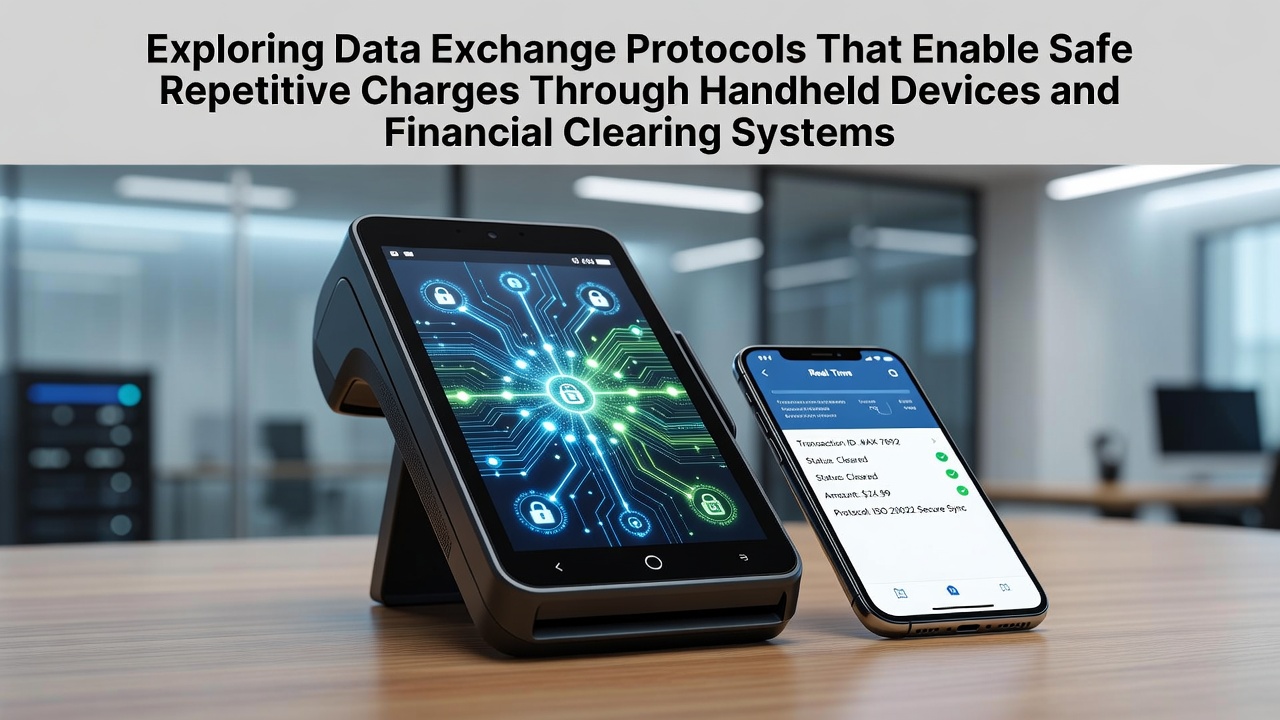
Advancements in Data Exchange for Secure Recurring Mobile Payments and Clearing House Integration
Protocols that handle data exchange between handheld devices and financial clearing systems have evolved to support recurring charges while maintaining security standards across networks. These mechanisms allow merchants to process repeated transactions through mobile applications without exposing sensitive account details during each cycle, and they rely on tokenization along with encrypted channels to route information between payment gateways and automated clearing houses.
Core Components of Mobile-to-Clearing Data Flows
Handheld devices initiate recurring billing requests through APIs that connect directly to merchant servers, after which the data travels to clearing networks using standardized formats such as ISO 20022 messages. Researchers at institutions like the Federal Reserve have documented how these exchanges incorporate authentication layers that verify device identity before any funds move, and this process repeats at set intervals without requiring customers to re-enter banking credentials each time.
Clearing systems, including those managed by the Automated Clearing House in the United States, receive batch files that contain tokenized references rather than raw account numbers, which reduces exposure during transmission. Observers note that similar frameworks operate in other regions, where the European Payments Council has outlined rules for SEPA Direct Debit mandates that align mobile-initiated requests with bank settlement timelines.
Security Measures in Repetitive Transaction Protocols
Encryption standards such as TLS 1.3 protect data in transit from handheld devices to intermediary processors, while token services replace card or account details with unique identifiers that hold no value outside the specific merchant relationship. Studies from the Bank of Canada indicate that these approaches have lowered fraud rates in recurring mobile scenarios by limiting the usefulness of intercepted information, and compliance requirements under PCI DSS further mandate regular audits of how tokens are generated and stored.
Additional safeguards include dynamic verification codes sent through out-of-band channels and machine learning models that flag unusual patterns in charge frequency or amount before authorization completes. Data from industry reports shows that integration points between mobile apps and clearing houses often employ multi-factor checks at the protocol level, which helps maintain continuity even when device operating systems receive updates that could otherwise disrupt legacy connections.
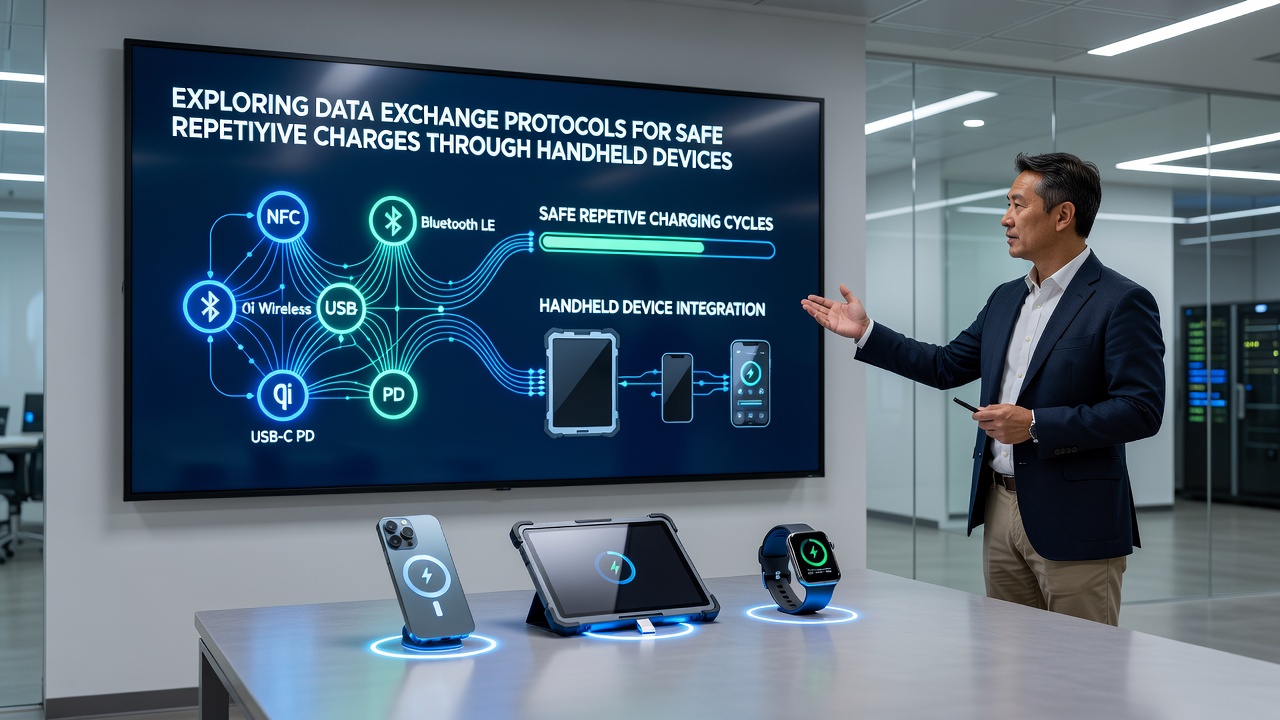
Integration Challenges and Standards Evolution
Developers face hurdles when aligning mobile operating system restrictions with clearing network requirements, particularly around background processing permissions that allow scheduled charges to proceed without user intervention. As of November 2026, updates to messaging standards have introduced fields for richer metadata that help reconcile disputes faster, according to documentation from the Reserve Bank of Australia on real-time payment rails that intersect with traditional ACH pathways.
Case examples from payment processors reveal that successful implementations often use middleware layers to translate between mobile-specific formats and the fixed structures accepted by clearing houses, and these translations preserve audit trails that regulators can review during compliance examinations. People who manage merchant platforms frequently discover that adopting open banking interfaces in regions like the United Kingdom allows direct bank debits from apps while routing through established clearing mechanisms.
Future Directions for Protocol Enhancements
Ongoing work by standards bodies focuses on incorporating quantum-resistant algorithms into the encryption used for recurring mobile transactions, which would address emerging computational threats without altering the underlying data exchange sequences. Figures from academic analyses at universities in the Asia-Pacific region highlight how test implementations have maintained settlement speeds while adding these protections, and cross-border pilots continue to test interoperability between different national clearing systems.
Merchants who connect handheld billing tools to these networks report streamlined reconciliation processes when protocols include built-in status notifications that update in real time, and this visibility supports better cash flow forecasting without manual intervention at each step.
Conclusion
Data exchange protocols continue to adapt in response to both technological shifts and regulatory expectations, enabling safer repetitive charges that flow from handheld devices into financial clearing systems. These developments rest on established security practices combined with emerging standards that prioritize interoperability and reduced risk exposure across the transaction lifecycle.