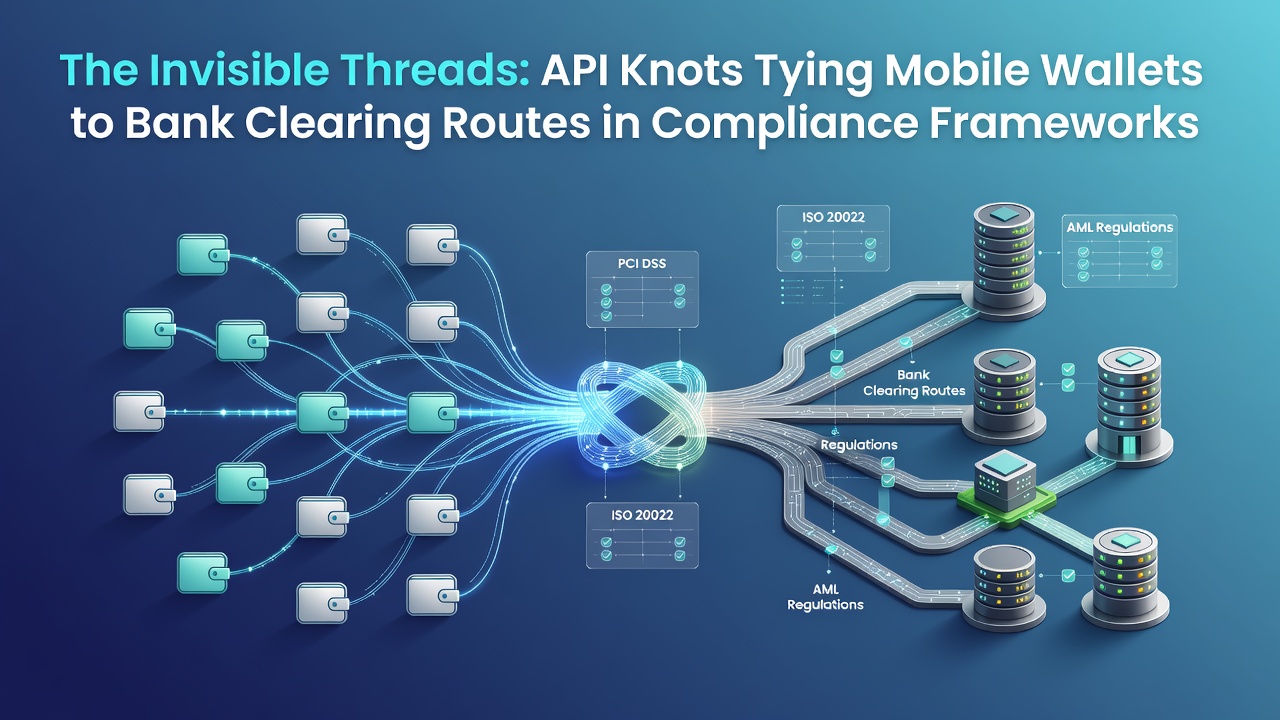
The Invisible Threads: API Knots Tying Mobile Wallets to Bank Clearing Routes in Compliance Frameworks
API connections form the backbone that links mobile wallet applications directly to automated clearing house networks and other settlement systems, creating structured pathways for fund movements while embedding layers of verification at each junction. Observers note these integrations rely on standardized protocols that transmit transaction details, account identifiers, and authorization tokens between consumer devices and financial institutions without exposing sensitive data in transit. Research indicates that such setups have expanded significantly as mobile adoption grew, with developers implementing tokenization methods that replace card numbers or account details with unique references during each exchange.
Mapping the Data Flows in Real Time
Developers build these connections using RESTful or SOAP-based endpoints that initiate requests from wallet software, route them through middleware services, and deliver instructions to clearing mechanisms operated by entities like the Federal Reserve or equivalent regional bodies. Data packets travel along encrypted channels that validate user identity through multi-factor checks before any movement occurs, and systems reconcile balances by matching debit and credit entries across ledgers maintained by participating banks. Studies from international financial oversight groups show that transaction volumes processed through these routes reached new levels by mid-2025, driven by consumer preference for instant transfers from stored wallet balances directly to vendor accounts.
Clearing routes themselves operate on batch schedules or same-day cycles depending on the jurisdiction, yet API knots allow mobile platforms to submit instructions that align with those timelines while applying real-time fraud scoring models. One case examined by researchers at a European university highlighted how a single API call can trigger sequential validations against sanctions lists, velocity limits, and device fingerprinting databases before the request advances to the next stage. Such layered checks reduce discrepancies that might otherwise arise during settlement windows.
Regulatory Requirements Shaping the Architecture
Compliance frameworks dictate that every API interaction must log immutable records of authorization steps, including timestamps, IP origins, and consent confirmations, to satisfy audit trails demanded by bodies such as the European Central Bank and Payments Canada. These records feed into broader monitoring systems that detect patterns indicative of money laundering or unauthorized access attempts, with thresholds calibrated according to regional statutes updated periodically. In October 2026, several jurisdictions plan to enforce enhanced data residency rules that require certain transaction metadata to remain within national borders even when routed through cloud-based API gateways.
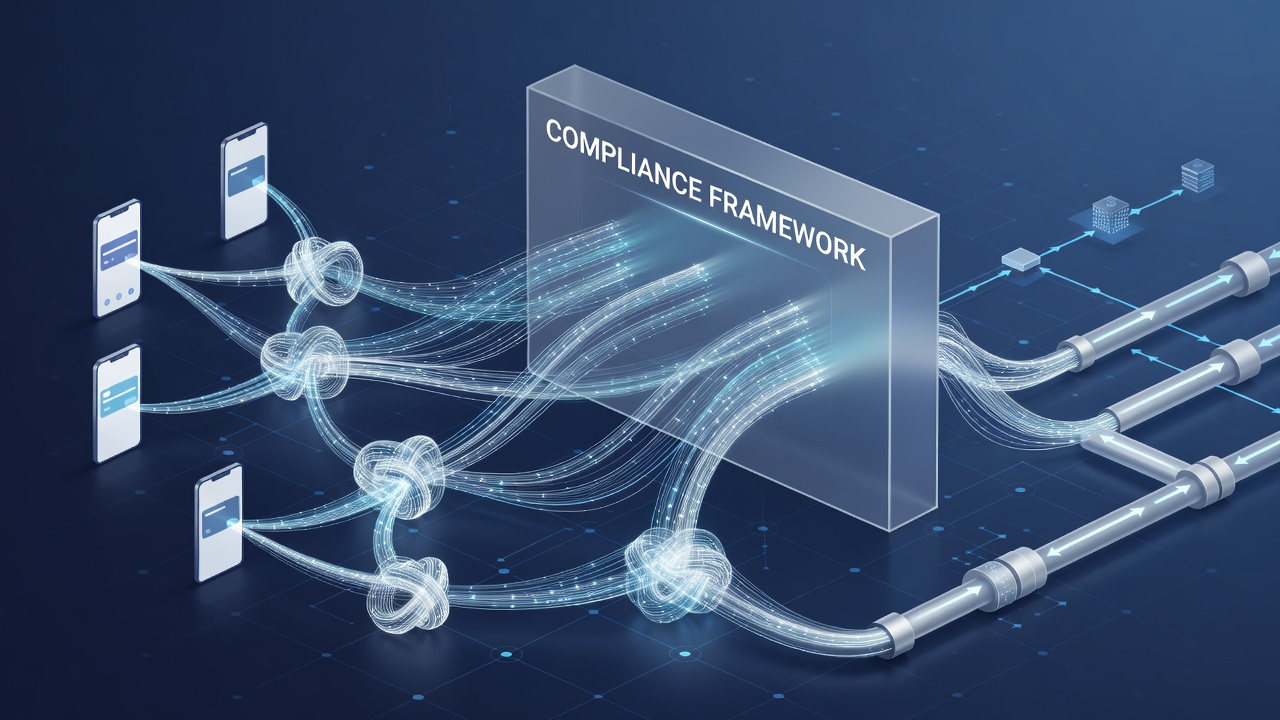
Security standards like PCI-DSS version 4.0 further specify how encryption keys rotate during wallet-to-bank handoffs, and industry reports confirm that organizations adopting these measures experience fewer incidents of data exposure compared with legacy direct connections. Observers note that sandbox environments now serve as testing grounds where developers simulate end-to-end flows under simulated regulatory scrutiny before production deployment. This approach allows teams to identify bottlenecks in message formatting or response handling that could delay clearing confirmations.
Case Examples from Current Deployments
Take one implementation in the Asia-Pacific region where a major wallet provider integrated its platform with local ACH equivalents through dedicated API clusters that support both push and pull transaction types. The setup incorporates geofencing logic that restricts certain high-value transfers based on user location data cross-referenced against account history, and figures released by regional trade associations indicate processing times dropped by measurable margins after rollout. Another deployment in North America demonstrates how recurring subscription debits from mobile interfaces feed into nightly clearing batches while maintaining separate compliance queues for each merchant category code.
What's interesting is how these knots adapt when new payment rails such as real-time gross settlement systems enter the mix, requiring API updates that preserve backward compatibility with older batch protocols. Researchers discovered through longitudinal analysis that organizations maintaining version-controlled API documentation experience smoother transitions during regulatory audits because change histories remain transparent and traceable.
Conclusion
API knots continue to evolve as mobile wallets expand their reach into everyday commerce, binding consumer interfaces to established bank clearing infrastructures through protocols that prioritize both efficiency and regulatory adherence. Data from multiple oversight organizations confirms sustained investment in these technical bridges, with emphasis on modular designs that accommodate future updates to security mandates without full system overhauls. Those who maintain such connections recognize that ongoing refinement of authentication sequences and logging practices remains essential for sustained operation across shifting compliance landscapes.