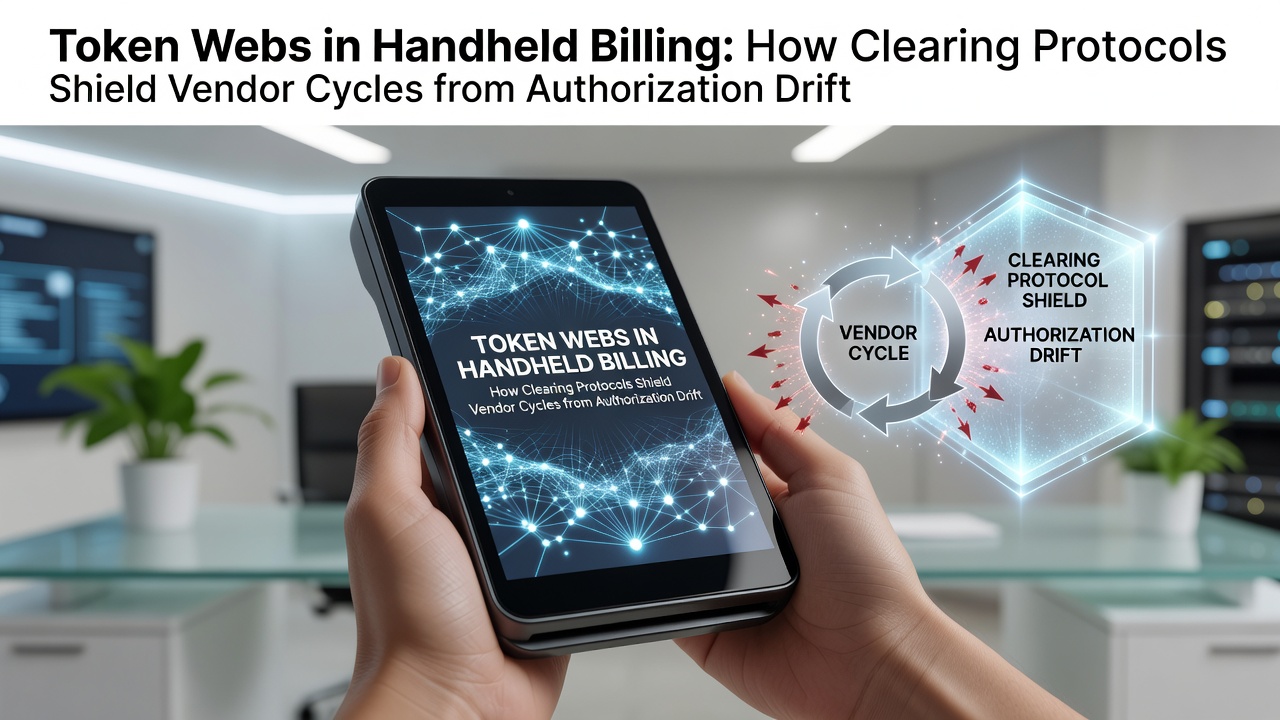
Token Networks Stabilizing Portable Transaction Loops: Clearing Mechanisms Countering Validation Shifts in Merchant Sequences
Token networks operate as interconnected structures that link portable devices with backend processing systems, and clearing mechanisms function to isolate merchant payment sequences from fluctuations in authorization approvals. Research from the Bank for International Settlements shows that tokenization replaces sensitive card details with unique identifiers, which reduces exposure during handheld transactions while maintaining compatibility with established clearing routes. Observers note that these networks expand as mobile billing volumes rise, particularly in scenarios involving recurring vendor charges processed through automated systems.
Core Components of Token Structures in Handheld Environments
Handheld billing relies on tokens generated at the point of interaction, and these identifiers route through secure channels before reaching clearing houses. Data indicates that by October 2026, adoption rates for such token frameworks increased across regions using both credit and ACH pathways. Experts have observed that each token carries embedded metadata about the original authorization, which clearing protocols then validate against settlement rules to prevent drift where approval patterns shift unexpectedly due to network latency or issuer policy changes.
Clearing protocols enforce standardized timing and verification steps, and this structure shields vendor cycles by requiring consistent re-authorization signals rather than allowing isolated declines to propagate. Those who have studied payment flows note that without these layers, authorization drift can extend settlement times and disrupt recurring sequences in portable commerce setups.
Integration Pathways Between Tokens and Clearing Houses
Developers implement APIs that bind handheld applications to token vaults, and these connections feed directly into clearing networks operated by entities such as the Federal Reserve. The process begins with device-initiated requests that generate tokens, after which clearing protocols apply checksums and sequence checks to maintain cycle integrity. Evidence suggests this approach limits the impact of temporary authorization inconsistencies, because tokens decouple the merchant side from raw card data that might trigger variable responses.
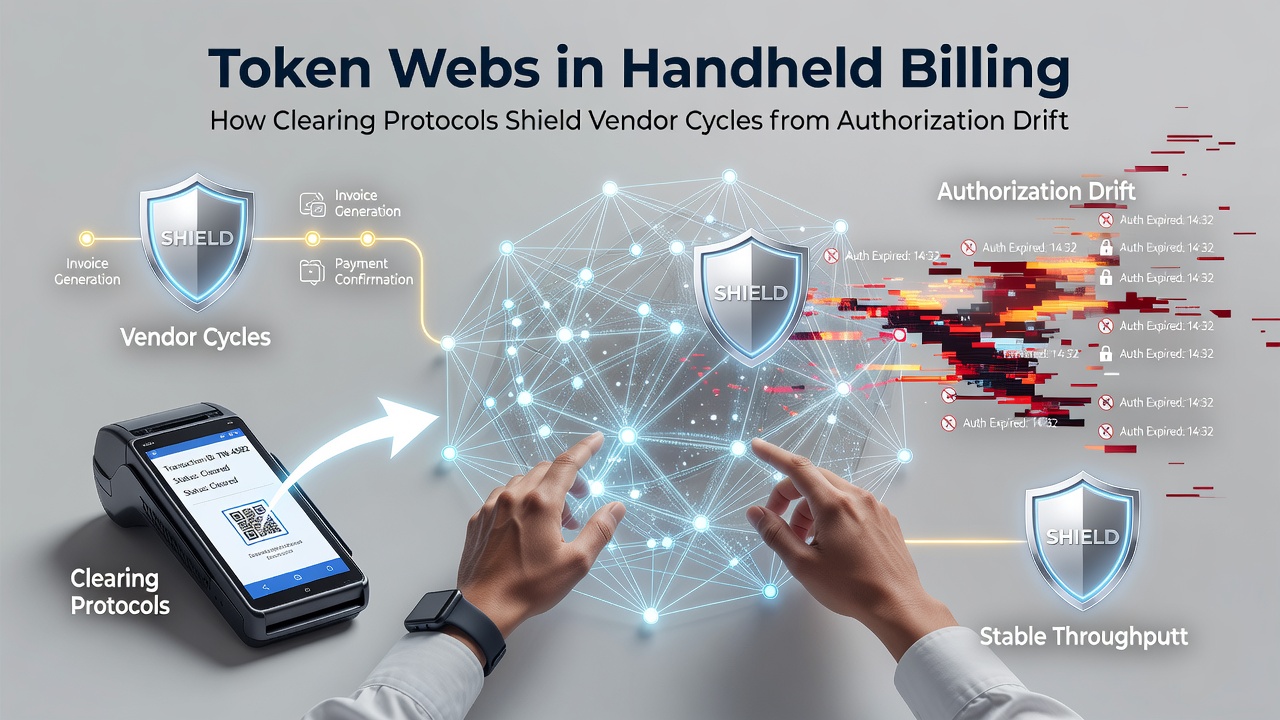
One study revealed that merchants using integrated token and clearing setups experienced fewer interruptions in subscription-style billing, since the protocols automatically reroute or retry based on predefined rules rather than halting entire cycles. What's interesting is how these systems handle cross-border elements, where differing issuer standards could otherwise introduce drift, yet clearing layers normalize the data before final settlement occurs.
Security and Compliance Layers in Token-Clearing Flows
Security protocols within these webs include encryption at multiple points, and compliance frameworks such as those outlined by the Payments Association require regular audits of token generation and clearing handoffs. Researchers discovered that authorization drift often stems from mismatched timestamps or incomplete metadata, conditions that clearing protocols detect and correct through batch reconciliation processes. This detection happens before funds move, preserving the stability of vendor payment loops over extended periods.
Take one case where experts found that handheld systems without robust clearing ties saw authorization success rates vary by up to 15 percent month over month, whereas connected setups maintained steadier patterns through automated token refresh mechanisms. The reality is that these integrations align with evolving standards for data portability in mobile environments, allowing vendors to scale without proportional increases in risk exposure.
Operational Impacts on Recurring Vendor Sequences
Vendor cycles that depend on portable billing benefit when tokens persist across devices while clearing protocols enforce single-source validation. Figures reveal that organizations implementing these combined approaches reduced manual intervention in dispute handling, because drift events trigger predefined alerts rather than cascading failures. Observers note continued refinement of these protocols as device capabilities advance, particularly in handling offline-to-online transitions that previously introduced authorization inconsistencies.
Clearing networks also incorporate fallback routing options, and this feature ensures that vendor sequences continue even when primary authorization paths encounter temporary blocks. Data from October 2026 highlights growth in such resilient configurations among merchants handling high-frequency mobile transactions.
Conclusion
Token networks combined with clearing protocols create layered defenses that maintain consistency in merchant payment sequences despite potential authorization variability. The mechanisms described operate through standardized data flows, validation checkpoints, and integration standards that evolve with regulatory updates across multiple jurisdictions. Continued monitoring of these systems supports stable operations in handheld billing environments where portable devices interface directly with established financial networks.