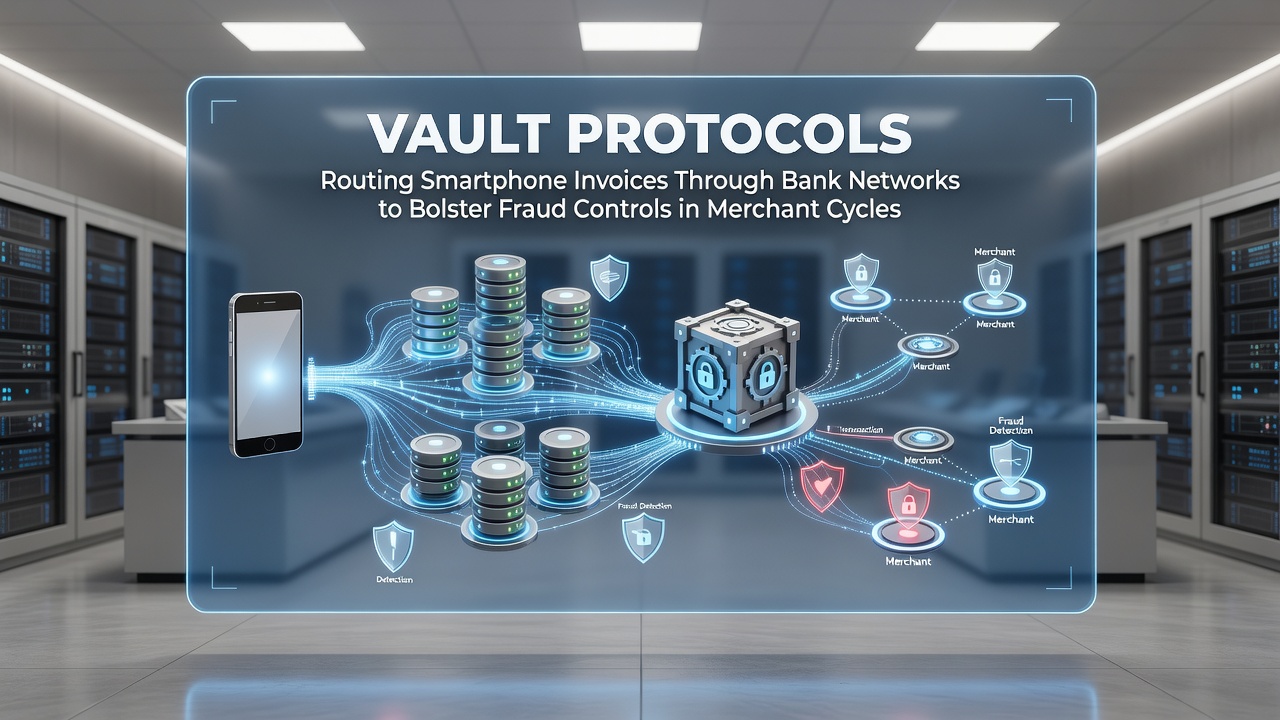
Vault Protocols Route Smartphone Invoices Into Established Bank Networks for Stronger Merchant Cycle Protections
Merchants increasingly rely on vault protocols to store tokenized invoice data from smartphones before routing it through established bank networks, and this approach reduces exposure to unauthorized transactions during recurring billing cycles. Data from payment industry reports shows that vault systems encrypt and isolate sensitive details at the point of capture, then release only the minimum required information when transactions move into automated clearing processes.
These protocols operate by creating secure repositories that link mobile billing applications directly to bank transfer rails, and observers note that the separation prevents direct exposure of account credentials to merchant servers. In practice, a smartphone generates an invoice, the vault tokenizes the details, and the system forwards the request through bank channels that perform additional verification steps before funds move.
Core Components of Vault Protocol Architecture
Developers integrate vault protocols into mobile invoicing platforms through application programming interfaces that handle token generation, storage, and selective release. Researchers have documented that these interfaces communicate with bank network endpoints using encrypted channels, and the process includes real-time checks against known fraud indicators before any authorization proceeds. Studies indicate that such layered routing adds verification points without extending settlement times beyond standard clearing windows.
Bank networks receive the tokenized requests from vault systems and match them against account records, while compliance modules confirm that the transaction aligns with established patterns for the merchant category. Figures from payment processing analyses reveal that this matching step catches discrepancies early, and the data flows back to the originating mobile device only after bank-level approval occurs.
Integration Patterns Across Mobile and Banking Environments
Merchants deploy vault protocols in subscription models where invoices recur on fixed schedules, and the systems maintain tokenized references that update automatically when bank details change. One documented implementation routes smartphone-generated invoices through vault storage, then into automated clearing house pathways that enforce additional authentication layers during high-volume periods. Experts observe that this pattern supports compliance with data protection requirements because the merchant never retains full account information.
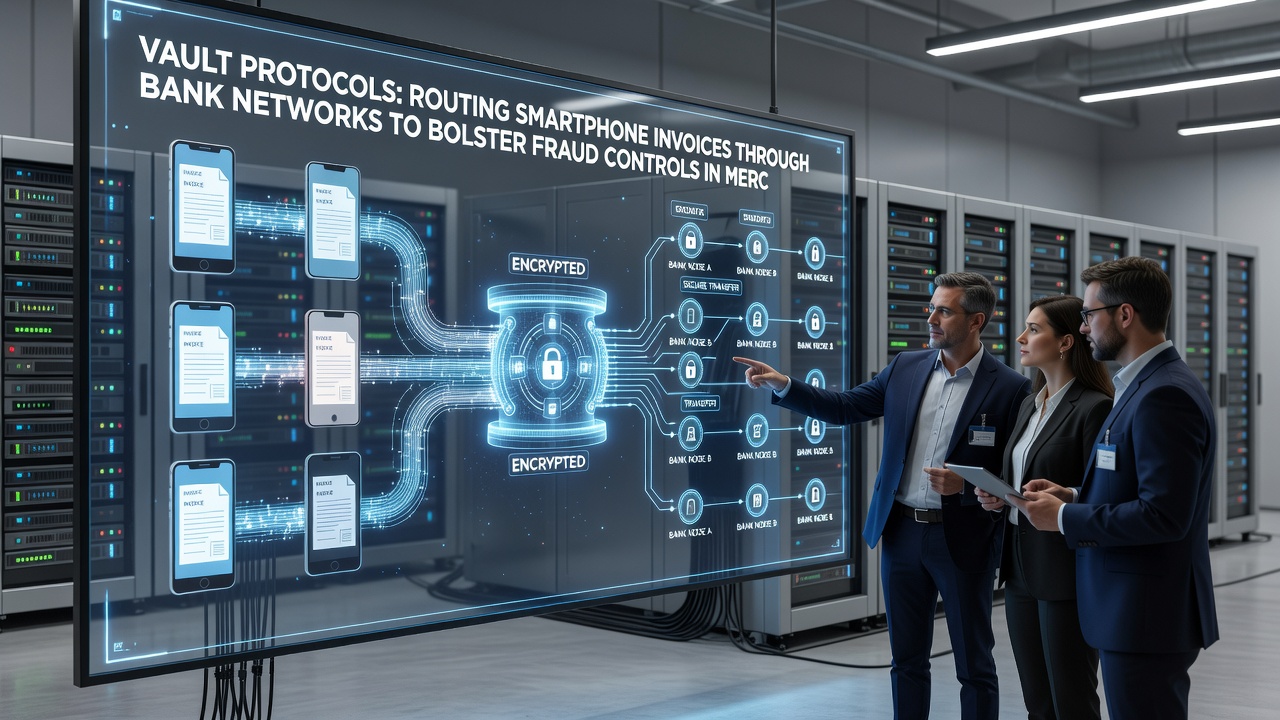
September 2026 marks the scheduled rollout of updated network rules that require enhanced vault encryption standards for all mobile-to-bank invoice routing, and organizations preparing for that date have begun testing revised token formats. Those preparations include mapping existing mobile applications to new bank endpoints that support the updated protocols, while maintaining backward compatibility for legacy transactions.
Fraud Control Mechanisms in Practice
Vault protocols incorporate anomaly detection that compares current invoice patterns against historical merchant activity stored within the bank network layer, and this comparison occurs before any funds transfer initiates. Reports from regulatory bodies such as the Federal Reserve highlight that early detection at this stage prevents many unauthorized entries from reaching settlement. Merchants using these systems report fewer disputed transactions because the bank network applies its own screening rules on top of the vault checks.
Additional controls include dynamic routing decisions that direct certain invoice types through higher-scrutiny bank channels when risk scores exceed defined thresholds. Data compiled by research institutions shows that this selective routing improves overall authorization success rates while reducing exposure to chargebacks, and the vault system logs each decision for audit purposes.
Compliance Considerations and Data Handling
Regulatory frameworks in multiple regions require that vault-stored invoice data remain isolated from merchant operational databases, and bank networks enforce these separations through access controls. Organizations such as the European Central Bank have issued guidance on maintaining audit trails for every token release, and those trails must cover the full path from smartphone origin to final bank confirmation. Implementation teams therefore build logging functions directly into the vault protocol layer to satisfy these requirements.
Testing conducted ahead of the September 2026 updates demonstrates that vault protocols can accommodate varying regional standards without requiring separate code branches for each jurisdiction. The systems apply rule sets based on the destination bank network, and this flexibility allows merchants operating across borders to maintain consistent mobile invoicing experiences.
Conclusion
Vault protocols continue to expand their role in connecting smartphone invoice generation with bank network processing, and the resulting architecture delivers measurable improvements in fraud detection during merchant cycles. Organizations adopting these methods gain access to layered verification that operates across mobile capture and bank settlement stages. Continued development through 2026 will likely refine the token standards and routing options available to developers building these connections.